Trip Planning
Philippines Packing List: What to Bring in 2026
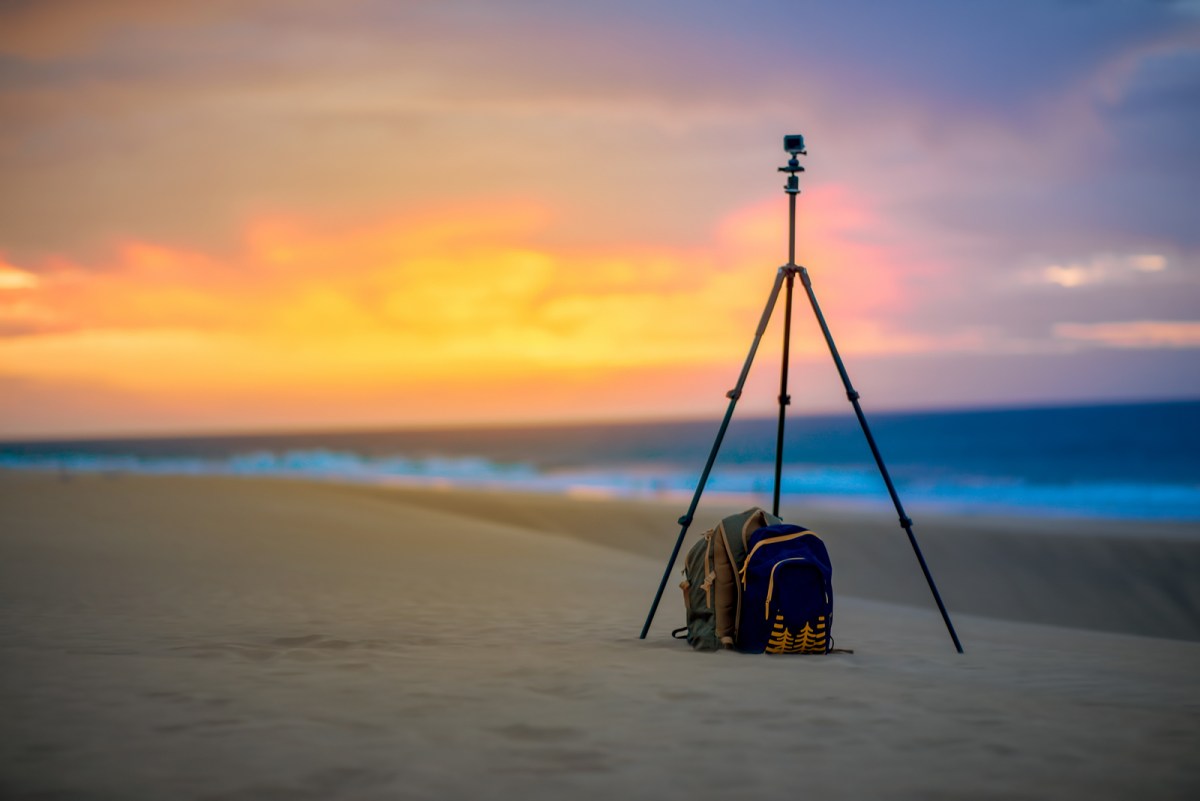
I once in a while get inquiries into what I use for online video and images equipment. Rather of fielding each individual concern independently, I am…
Packing for the Philippines is less about buying special gear and more about preparing for heat, humidity, sudden rain, ferries, uneven streets and strong air-conditioning. Most everyday items are easy to buy in major cities. The essentials are the things that protect your documents, keep you comfortable during transfers and solve problems before a pharmacy or shopping center is nearby.
This is a current, non-affiliate checklist. Bring what fits your route and leave the rest. A city break in Manila has different needs from a month of island hopping.
Documents and money
- Passport with the validity required for your trip and onward plans
- Proof of onward or return travel when applicable
- Travel insurance details and emergency contact information
- Offline copies of bookings, IDs and important telephone numbers
- At least two payment methods stored separately
- A modest amount of Philippine pesos for transport, tips and small businesses
Keep a digital copy of key documents in an account you can reach from another device. Do not carry every bank card in the same wallet. For current entry requirements, use the practical guidance in entering the Philippines and verify official rules shortly before travel.
Clothing for tropical conditions
- Light, breathable shirts and shorts
- One pair of long trousers or a longer skirt for transport, offices and religious sites
- A light layer for aircraft, buses, malls and strongly air-conditioned rooms
- Quick-drying underwear and sleepwear
- Swimwear plus a cover-up
- A packable rain shell or compact umbrella
- A hat with useful sun coverage
Humidity makes heavy cotton slow to dry. Quick-drying fabric is especially helpful when moving frequently. Dress respectfully outside resorts; shoulders and knees may need to be covered in churches, government offices and conservative communities.
Footwear
Bring one comfortable walking shoe with secure traction and one simple sandal. Reef shoes can help on rocky shorelines, but they do not make it acceptable to stand on coral. If your itinerary includes hiking, use footwear appropriate to mud and steep ground rather than relying on smooth city sneakers.
Rain, boats and island transfers
- Water-resistant pouch for passport, cash and phone
- Dry bag or pack liner for open boats and wet landings
- Resealable bags for damp clothing and small electronics
- Motion-sickness medicine if you know you need it
- A small luggage lock for shared storage, used only where appropriate
Assume checked bags can be exposed to rain during ferry or aircraft handling. Keep medicine, documents and one change of clothing in your carry-on. Review marine weather guidance before boat-heavy routes.
Health and personal care
- Your regular prescription medicine in original packaging
- A written copy of generic medication names
- Basic first-aid supplies for cuts and blisters
- Insect repellent suitable for your destination
- Broad-spectrum sunscreen
- Oral rehydration salts
- Hand sanitizer and tissues for travel days
Do not build a huge pharmacy for ordinary city travel. Bring critical medicine and a modest first-aid kit, then seek qualified medical help for significant illness. Insurance should cover the destinations and activities you actually plan to do.
Electronics
- Phone, charging cable and compact power bank
- A plug adapter that fits your equipment and Philippine outlets
- Chargers labeled for the local voltage range
- Offline maps and downloaded booking details
- Optional e-reader or tablet for long transfers
- Water-resistant protection for devices on boats
Do not assume every accommodation has conveniently placed sockets. A short, reputable power strip can be useful, but avoid overloading outlets and never use voltage-sensitive equipment without checking its label.
Beach, diving and snorkeling extras
For casual beach days, swimwear, a towel if accommodation does not supply one, and sun protection are enough. Rent bulky equipment from a reputable operator unless fit is critical. Experienced divers may prefer their own mask and computer; new travelers should not buy a full kit solely for one holiday. See the guides to diving and snorkeling before choosing equipment.
What not to pack
- Large quantities of toiletries available locally
- Heavy formal clothing without a specific event
- Expensive jewelry that adds security concerns
- Multiple pairs of rarely used shoes
- Bulky adventure equipment you are not trained to use
- Anything restricted by airline, customs or local law
Carry-on checklist
Keep your passport, wallet, phone, chargers, medicine, insurance details, one light layer and one change of clothing with you. Add water after security, a small snack and anything required for children. If a checked bag is delayed, the carry-on should support the first 24 hours without turning the problem into an emergency.
The best Philippines packing list is compact, weather-aware and easy to carry up stairs or across a pier. Pack for the hardest transfer on your route, not for the hotel room at the end of it.