Dive Planning
How to Plan a Philippines Dive Trip with Bluewater Travel
A practical tutorial for comparing Philippine dive destinations, liveaboards, costs, safety and specialist planning through Bluewater Travel.
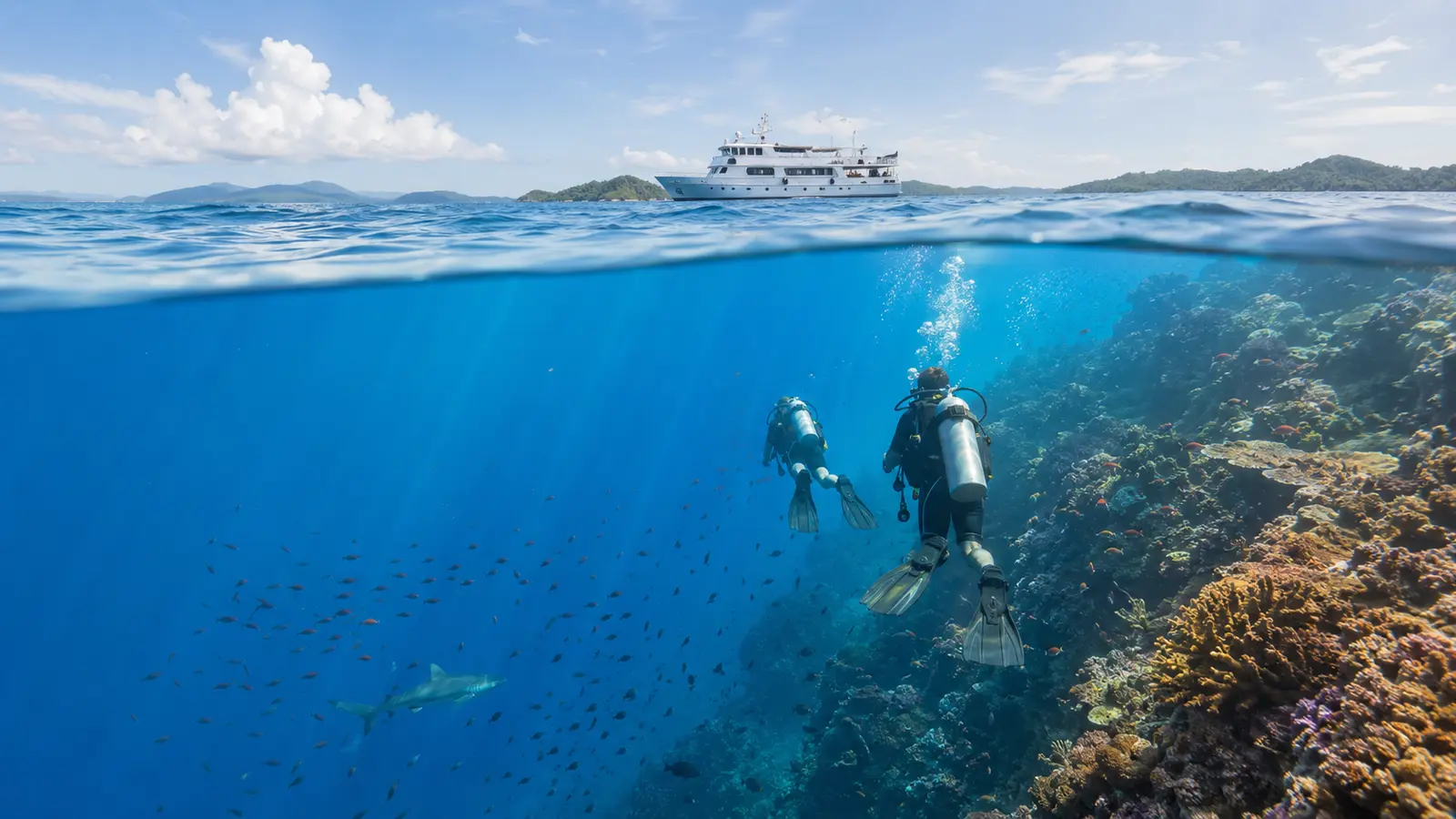
Dive Planning Tutorial
A Philippines dive trip can be simple, but only after you make the important decisions in the right order. Choose the type of diving first, match it to the season and your experience, then compare boats or resorts. Booking a vessel because its photos look luxurious is the quickest way to end up on the wrong itinerary.
This tutorial explains how to plan the trip and where a specialist agency such as Bluewater Dive Travel may help. MyPHLife independently reviewed Bluewater’s public business footprint, staff information, review history and complaint patterns before including it here. This is an editorial feature, not a paid endorsement.
Step 1: Choose the diving, not the package
The Philippines offers several very different dive trips. A single operator cannot turn one region into another, so identify your priority before requesting quotes.
- Tubbataha: Remote reefs, walls, schooling fish and pelagic encounters. Access is by liveaboard during a short seasonal window. It is best for divers comfortable with boats, open water and current.
- Malapascua: Famous for thresher shark encounters, with additional reef and macro diving. Early starts and changing sea conditions are part of the experience.
- Dauin and Apo Island: A strong combination of macro subjects, black-sand diving and healthy reef trips. This is one of the easiest regions for combining land-based comfort with varied diving.
- Anilao: A practical choice for macro photographers and travelers who want to stay within driving distance of Manila.
- Moalboal: Sardines, walls and straightforward shore access. It works well in a broader Cebu itinerary.
- Puerto Galera and Verde Island: A mix of accessible resort diving and more energetic current at advanced sites.
- Coron: Wreck-focused diving that demands appropriate training, buoyancy and respect for overhead environments.
If two people in your party want different things, say so immediately. A good advisor should explain which destination offers a workable compromise instead of forcing both travelers into the same sales package.
Step 2: Match the destination to the calendar
Philippine diving is often described as year-round, but that does not make every itinerary equally sensible every month. Tubbataha has a limited operating season, while typhoons, monsoon exposure and local wind patterns affect other regions differently.
Give the planner a date range rather than one immovable week if possible. Ask what conditions are typical, what can cancel crossings, and whether the route changes when weather closes a site. Wildlife is never guaranteed. Treat any promise of a particular shark, ray or whale encounter as a possibility, not a contract.
Step 3: Be honest about experience
Send your certification level, total logged dives, date of your most recent dive, current experience and comfort with negative entries or blue-water safety stops. If you have been out of the water for a year, schedule a refresher before the expensive part of the trip.
Also disclose medical considerations before paying. The operator may require a physician’s clearance, and remote liveaboards can be many hours from advanced medical care. Divers using specialized equipment should obtain written confirmation that the boat can support it.
Step 4: Compare the actual operator
A travel agency arranges the trip, but the local resort or vessel operates it. Ask for the exact boat or resort and compare:
- Maximum number of guests and the diver-to-guide ratio
- Cabin type, bathroom arrangement and single supplements
- Tank material and size, valve type and Nitrox availability
- Number and size of tenders or pangas
- Emergency oxygen, communications and evacuation procedures
- Camera tables, charging rules and battery restrictions
- Included transfers, park fees, equipment and gratuities
- Cancellation terms when weather changes the itinerary
Request the final inclusions and exclusions in writing. Screenshots of a temporary offer are not a substitute for the booking agreement.
Step 5: Build a complete budget
The advertised cabin price is only the starting point. Include domestic flights, baggage, overnight hotels, airport transfers, park and port fees, Nitrox, rental equipment, marine conservation charges, gratuities and insurance.
Arrive near the embarkation point at least one day early. For a remote trip, two nights may be more sensible. A missed liveaboard departure is usually far more expensive than an extra hotel night.
Step 6: Protect the trip
Ordinary travel insurance may exclude scuba diving, depth beyond a stated limit, liveaboard evacuation or pre-existing conditions. Read the policy rather than relying on the word “adventure.” Confirm medical treatment, recompression, evacuation, trip interruption and weather-related cancellation coverage.
Carry digital and paper copies of your certification, insurance, emergency contacts, prescriptions and booking documents. Leave the same information with someone at home.
Step 7: Pack for the boat, not the airport
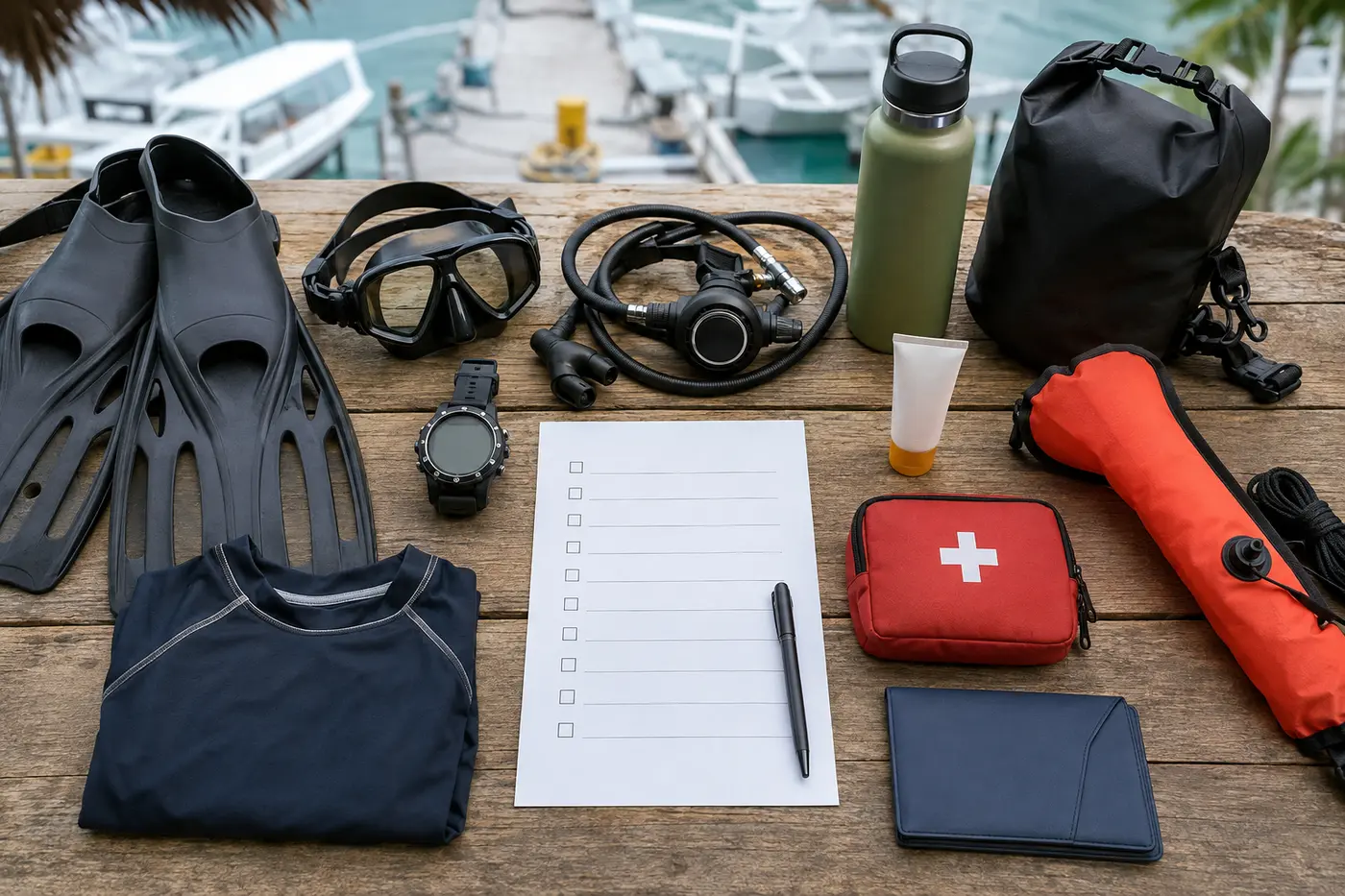
- Mask, dive computer and any difficult-to-replace prescription equipment in carry-on baggage
- Surface marker buoy, whistle and any signaling equipment required by the operator
- Reef-safe sun protection, rash guard and a light layer for windy crossings
- Dry bag, reusable bottle and a small save-a-dive kit permitted by the operator
- Medication for motion sickness discussed with a clinician before departure
- Chargers and batteries packed according to airline rules
- Minimal luggage, since cabins and equipment stations have limited space
Where Bluewater Travel fits
Bluewater is a specialist dive-travel agency rather than a general booking portal. Its public team includes active divers, divemasters and instructors, and its catalog covers Philippine resorts, liveaboards and guided trips. That specialization is useful when you need help comparing diving styles, seasons, boats, room categories or photography support.

For current inventory, itineraries and pricing, review Bluewater’s Philippines liveaboard listings. Travelers focused on the Sulu Sea can also compare the practical details in its Tubbataha planning guide.
Questions to ask before booking through Bluewater
- Which local company operates this departure?
- What happens if the advertised site cannot be reached?
- Which payments are refundable, transferable or nonrefundable?
- Who handles an urgent problem outside California business hours?
- Are park fees, Nitrox, transfers and equipment included?
- What diver experience does the operator expect?
- What insurance coverage does the operator require?
One visible issue in Bluewater’s current public contact presentation is a generic-looking 555 WhatsApp number. Individual staff members list conventional direct numbers, but travelers should use the main office number or verified agent details and confirm every payment instruction independently.
Our verdict
Bluewater appears to be a legitimate, established specialist with a substantial public operating history and no obvious pattern of fraud complaints. Its value is most apparent for complex liveaboards, multi-region itineraries, underwater photography trips and travelers who want a knowledgeable person to compare options.
That does not remove the need to evaluate the local operator, written cancellation terms, insurance and safety procedures. Use the agency for specialist guidance, then verify the exact trip you are purchasing.
Quick planning checklist
- Choose the destination and diving style.
- Confirm that the season matches your dates.
- Disclose experience, equipment and medical requirements.
- Identify the actual vessel or resort.
- Price the complete trip, not only the cabin.
- Add arrival buffer days.
- Buy appropriate diving and evacuation coverage.
- Get inclusions, exclusions and cancellation terms in writing.
Next: Compare this planning process with our Philippines diving destination guide, or review practical safety considerations in The Diver’s Log.