Siargao
Siargao Travel Guide Beyond Surfing
A practical Siargao guide for beaches, mangroves, inland trips, food, weather, and pacing, including what to do when surfing is not the main goal.
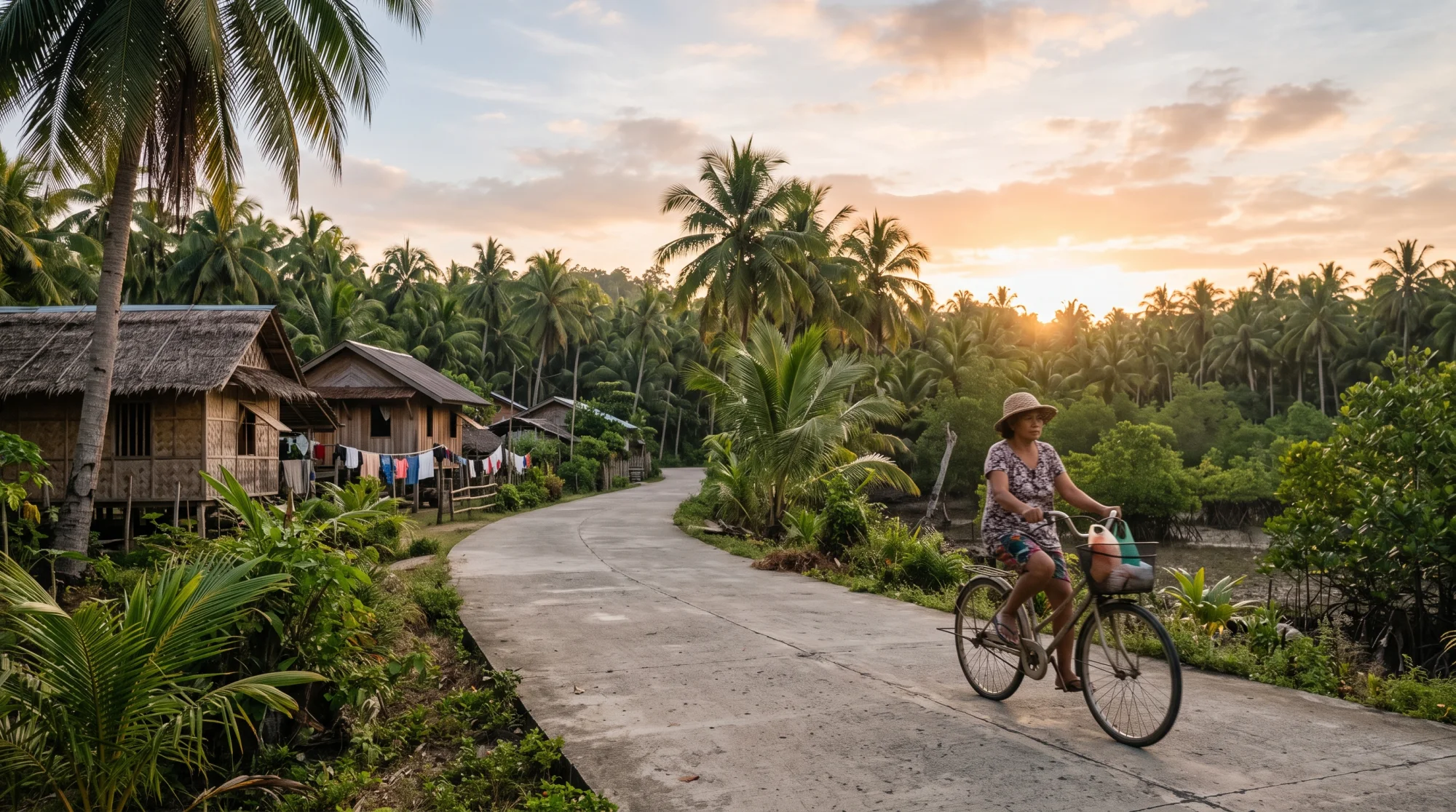
Siargao became famous through surfing, but a satisfying trip does not require a board. The island works just as well as a base for mangroves, beaches, lagoon and island excursions, slow food-focused days, and drives through coconut country. The important decision is whether you want nightlife and convenience or quiet and distance.
Choose the right base
General Luna
General Luna has the highest concentration of accommodation, cafés, restaurants, rentals, tour sellers, and evening activity. It is the easiest first base if you do not want to organize every meal and ride in advance. The tradeoff is traffic, construction, and noise in the busiest pockets.
North and Pacific coast
Northern communities and beaches feel more spacious and place you closer to different surf breaks, coastal roads, and quieter scenery. They require more deliberate transport planning. A beautiful low-cost room can become inconvenient if every dinner needs a long motorcycle ride in the dark.
Split stay or one base?
A split stay makes sense at six nights or more when the second location changes the experience. For a short trip, one base and two longer day trips usually saves time.
A balanced five-day Siargao plan
- Arrival and orientation: Settle in, learn the immediate roads, confirm transport, and avoid booking a major tour around a delayed flight.
- Lagoon or island day: Pick one water excursion based on current sea and tide conditions.
- Inland loop: Visit coconut landscapes, villages, rivers, or pools without treating every stop as a photo queue.
- Beach and food day: Keep one day local. Try several small places and leave room for rain.
- Flexible day: Surf lesson, mangrove trip, another beach, remote work, or the activity weather displaced.
Water trips and tides
Conditions around Siargao are shaped by wind, swell, and tides. A place that looks perfect in a photograph may be shallow, rough, or inaccessible at a different time. Ask the operator what the conditions are expected to be on your actual date, what equipment is included, and whether the route is appropriate for non-swimmers or children.
Wear a properly fitted flotation device when conditions or the activity call for it. Protect electronics in a real dry bag. Do not stand on coral, feed wildlife, or leave single-use plastic behind because a tour is marketed as casual.
If you want to try surfing
Book a lesson through an instructor who selects the break for your ability and the day’s conditions. Cloud 9 is the island’s famous name, not a guarantee that its conditions suit a beginner. Ask where the lesson happens, whether the board and rash guard are included, how many students share an instructor, and how water safety is handled.
Reef cuts can become infected. Wear appropriate protection, rinse and clean wounds promptly, and seek qualified medical care for deep cuts, retained coral, worsening pain, redness, fever, or swelling.
Getting around
Motorcycles provide flexibility, but they are not automatically the best choice. Rent only if you are licensed, insured, experienced, and comfortable with changing road surfaces, rain, animals, pedestrians, and night riding. A helmet that fits is essential. Otherwise, arrange a local driver, tricycle, van, or tour transfer.
Do not let social pressure turn a first motorcycle lesson into transportation on an unfamiliar island. The cost of a driver is small compared with an injury.
Weather and connectivity
Siargao faces the Pacific and can receive heavy rain and rough seas. Weather patterns do not fit a simple nationwide dry-season rule. Check the official PAGASA forecast close to travel and keep a flexible day.
Internet quality varies by neighborhood, provider, weather, and power conditions. Travelers who must work should confirm recent speed tests with the specific accommodation, carry more than one mobile option when possible, and avoid placing a critical video call immediately after arrival.
Responsible choices that matter
- Refill water instead of buying a new bottle at every stop.
- Choose operators that explain waste and wildlife practices.
- Keep noise low outside nightlife areas.
- Do not enter private land for a photograph without permission.
- Buy from locally owned restaurants, guides, and shops as part of the trip, not as a slogan.
How long to stay
Three nights is vulnerable to flight disruption and leaves little room for weather. Four nights works for one excursion, one inland day, and local time. Six or seven nights lets the island breathe. If Siargao is one stop in a larger route, use the island-hopping guide and route calculator before adding another distant island.
For entry requirements, money, packing, and first-night planning, start with the Philippines first-trip guide.